

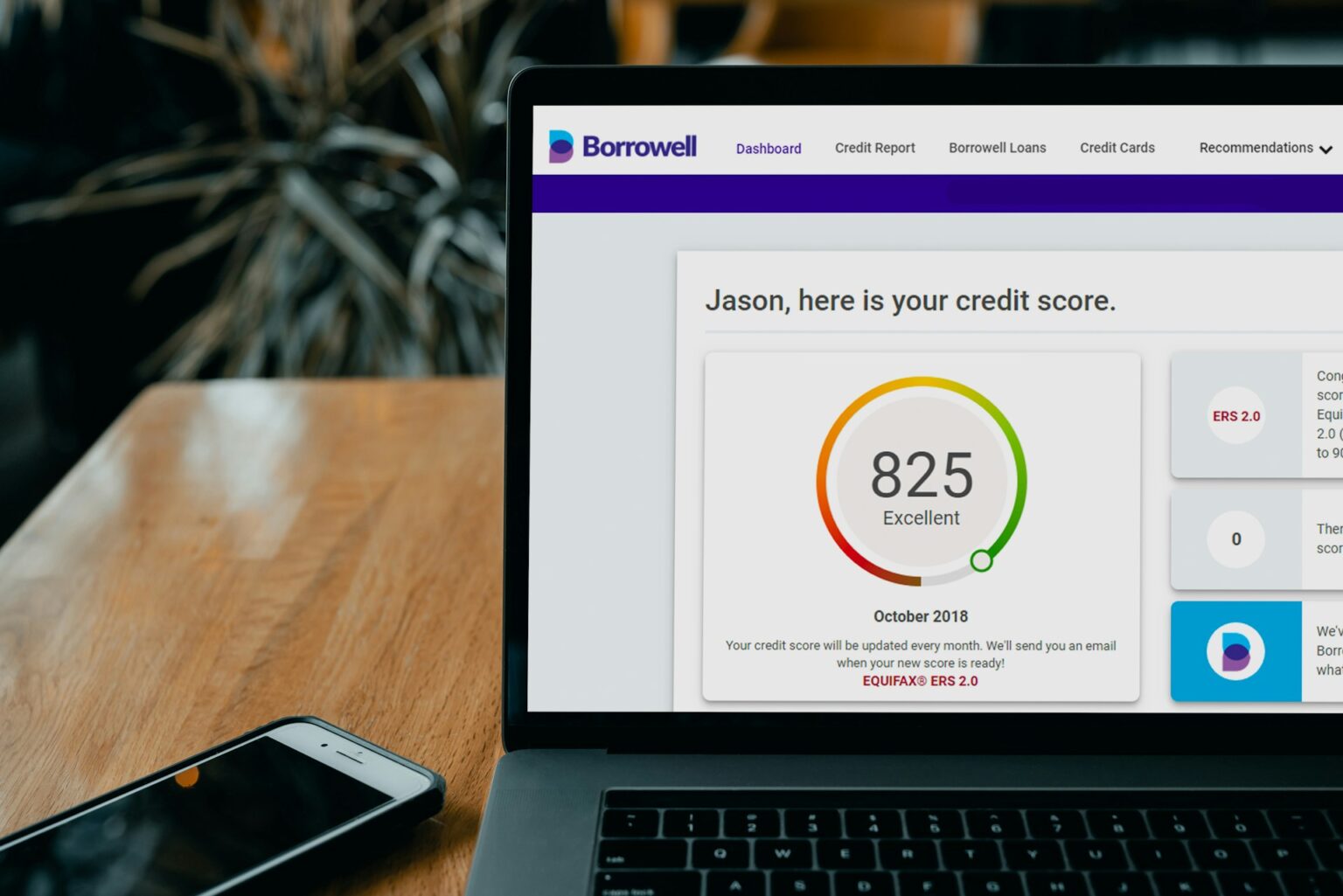
Few three-digit numbers carry as much weight in your everyday adult life as your credit score.
It dictates whether a landlord hands you the keys to an apartment, how much interest you pay on a auto loan, and sometimes even whether you get hired for a job.
Yet for something so influential, the entire system feels intentionally confusing.
Most of us grow up without a single class on how borrowing works, only to suddenly find out that a missed $25 bill dropped our score by 80 points.
Understanding your credit profile doesn’t require a finance degree.
Once you pull back the curtain on how scoring models evaluate your financial habits, you can stop guessing and start using the system to your advantage.
Here is everything you need to know about how scoring models function, what actually moves the needle, and how to build a strong profile from scratch.
What Is a Credit Score and Why Does It Matter?

At its core, a credit score is simply a numerical snapshot of your risk as a borrower.
Lenders use it to answer one basic question: If we lend this person money, how likely are they to pay it back on time?
In the United States, scores generally range from 300 to 850. The higher your number, the less risky you appear to lenders.
  300           580           670           740           850
  |-------------|-------------|-------------|-------------|
     Poor          Fair          Good        Very Good     Exceptional
A solid score isn’t about bragging rights it saves you serious money.
When you apply for a mortgage, a car loan, or a credit card, lenders assign interest rates based on your score tier.
A buyer with a 760 score might secure a mortgage rate two full percentage points lower than someone with a 620 score.
Over a 30-year home loan, that tiny percentage difference translates into tens of thousands of dollars kept in your bank account instead of handed to a bank.
The 5 Factors That Make Up Your Score
To understand how credit evaluation works, look at the two main scoring bureaus: FICO and VantageScore. While they use slightly different algorithms, both weigh the same core habits. FICO breakdown gives us the clearest picture of what matters most:
                  FICO Score Breakdown
  +----------------------------------------------------+
  | Payment History (35%)                              |
  +----------------------------------------------------+
  | Credit Utilization (30%)                           |
  +----------------------------------------------------+
  | Length of Credit History (15%)                     |
  +----------------------------------------------------+
  | New Credit & Inquiries (10%)                       |
  +----------------------------------------------------+
  | Credit Mix (10%)                                   |
  +----------------------------------------------------+
1. Payment History (35%)
This is the single biggest chunk of your score. Lenders want proof that you honor your commitments.
A consistent track record of on-time payments builds a strong foundation, while a single payment missed by 30 days or more can cause an immediate, painful drop.
2. Credit Utilization Ratio (30%)
Utilization measures how much of your total limit you are currently using.
If you have a credit card with a $1,000 limit and a $500 balance, your utilization is 50%.
As a general rule, keeping your total utilization below 30% and ideally below 10% signals to banks that you aren’t overextended.
3. Length of Credit History (15%)
Time is a major asset here.
Scoring models look at the age of your oldest account, the age of your newest account, and the average age of all your accounts combined.
This is why financial advisors constantly tell people never to close their oldest credit card unless it charges an absurd annual fee.
4. New Credit and Hard Inquiries (10%)
Every time you apply for a line of financing, the lender performs a “hard pull” on your report.
A single hard inquiry typically knocks a few points off your score temporarily.
Applying for six cards in two weeks, however, makes you look desperate for cash and raises red flags.
5. Credit Mix (10%)
Lenders like to see that you can handle different types of debt responsibly over time.
A healthy mix includes revolving credit (like credit cards) and installment loans (like student loans, personal loans, or a mortgage).
Case Study: How Marcus Fixed His Score in 8 Months

To see these rules in action, consider Marcus, a 26-year-old sales representative.
Marcus had a 610 credit score and couldn’t figure out why it was stuck in the “Fair” range despite never missing a payment.
When he pulled his full report, two issues stood out immediately:
- He had two credit cards, each with a $2,000 limit, He was carrying a $1,800 balance on one and a $1,200 balance on the other His overall utilization was a high 75%.
- He opened both cards within the last eight months, giving him a very short average account history.
Marcus didn’t need a fancy debt settlement service he just needed a tactical plan focused on utilization.
He picked up a weekend freelance gig and directed every extra dollar toward paying down his card balances. Over eight months, he brought his total balance down from $3,000 to $400, dropping his credit utilization rate from 75% down to 10%.
Because utilization has no “memory” in standard scoring models (meaning your score recalculates as soon as new lower balances are reported), Marcus saw his score jump from 610 to 715 in less than three-quarters of a year.
That single change allowed him to qualify for a low-interest auto loan when his old car finally gave out.
Hard vs. Soft Credit Inquiries: What’s the Difference?

A common fear among beginners is that simply checking their own score will ruin it.
That is a myth based on confusing soft pulls with hard pulls.
| Inquiry Type | What Triggers It? | Impact on Score? |
| Soft Inquiry | Checking your own score, background checks, pre-approved card offers | Zero impact — totally safe |
| Hard Inquiry | Applying for a mortgage, auto loan, credit card, or personal loan | Small temporary drop (usually 3–5 points) |
Checking your own report through services like AnnualCreditReport.com or your banking app is always a soft inquiry. You can inspect your numbers every single day without losing a point.
How to Start Building Strong Habits from Scratch
If you are starting with no history or working to rebuild after past mistakes, the process comes down to consistency rather than complex tricks.
First, automate your minimum payments. Set up automatic monthly transfers for every credit card or loan you own.
Even if you plan to pay off the balance in full later in the month, having the minimum payment automated guarantees you will never accidentally trigger a late fee or a 30-day delinquency on your report.
Second, treat your credit card like a debit card. Never spend money on plastic that you don’t already have sitting in your checking account.
Pay off the balance in full every single month to avoid high interest charges entirely.
Third, keep old accounts open. If you have an early starter card that you don’t use anymore, keep it active by placing a small recurring subscription (like a $10 monthly streaming service) on it and setting up autopay.
This keeps the line active and preserves your average age of accounts.
Final Thoughts on Building Financial Freedom
Improving your credit profile is a marathon, not a sprint.

Short-term dips happen, but if you pay your bills on time, keep your card balances low, and avoid opening unnecessary accounts, your score will naturally rise.
Take control of your numbers today so that when you need a mortgage, a car loan, or a new apartment down the road, your history opens doors instead of closing them.
Sources & References
- Fair Isaac Corporation (FICO): Official breakdown of scoring calculation factors and weight percentages.
- Consumer Financial Protection Bureau (CFPB): Consumer resources on credit reports, dispute processes, and rights under the Fair Credit Reporting Act (FCRA).
- Equifax, Experian, and TransUnion: Educational documentation regarding credit utilization, inquiry types, and reporting cycles.
Disclaimer: This article is provided for informational and educational purposes only and does not constitute personalized financial, legal, or credit advice. Individual financial situations vary.
Readers should consult with a licensed financial advisor or credit counselor regarding their specific circumstances.
