

Saving for a big purchase can feel difficult when rent, groceries, transportation, and other bills already take up much of your income. Whether you are planning to buy a laptop, replace an old car, purchase furniture, or pay for a professional course, reaching your goal becomes easier when you have a clear plan. Good Personal Budgeting & Saving habits help you decide how much you need, how long it will take, and what changes you can realistically make to your spending.
The best approach is usually simple: choose a specific goal, set a deadline, calculate how much you need to save regularly, and keep that money separate from your everyday spending. You do not need a perfect budget or a high income to get started. You need a plan that fits your circumstances and that you can follow consistently.
Why Should You Plan Before Making a Big Purchase?
A large purchase can put pressure on your finances if you make it without preparing. You might end up using a credit card, borrowing money, or taking cash from an emergency fund to cover the cost.
Planning ahead gives you more control. Instead of asking, “Can I afford this item today?” you begin asking, “What would I need to save each month to buy it without creating financial stress?”
That small change in thinking can make a real difference.
For example, imagine that your laptop is still working, but you want to replace it before starting a new course. If you buy the first laptop you see, you may spend more than you intended. If you research your options, compare prices, and save toward a target amount, you have time to choose a model that meets your needs without disrupting your other financial responsibilities.
A savings plan also helps you distinguish between a purchase you genuinely need and something you simply want right now. Neither is automatically wrong, but knowing the difference can help you decide how much priority the purchase deserves.
What Is the Best Way to Save for a Big Purchase?

The best method is to turn the purchase into a savings goal with a clear amount, deadline, and regular contribution.
Start by identifying exactly what you want to buy and estimating its full cost. Then decide when you want to buy it and divide the amount you need by the number of months available. Finally, set up a routine that makes saving easier to maintain.
For a purchase you expect to make within the next few months or couple of years, a suitable savings account or another low-risk, accessible savings option is generally more appropriate than investing the money in volatile assets. Investments can lose value at the moment you need to withdraw your money.
Your goal is not to earn the highest possible return. It is to have enough money available when the purchase date arrives.
Step 1: Set a Specific Savings Goal
A vague goal such as “I want to save more money” is difficult to measure. A specific goal gives you something concrete to work toward.
Write down three things:
- What you want to buy: For example, a laptop, a car, or new household furniture.
- How much it will cost: Research realistic prices rather than choosing an amount at random.
- When you want to buy it: Choose a deadline that gives you enough time to save without putting essential expenses at risk.
Remember to include extra costs associated with the purchase. A car may require insurance, registration, maintenance, or fuel. A laptop might need a protective case, software, or other accessories. Furniture may involve delivery fees.
Suppose you want a laptop priced at $720 and expect to spend another $30 on accessories. Your target is $750, not $720.
This step helps prevent a common mistake: reaching the advertised price but discovering that you still cannot comfortably afford the complete purchase.
Step 2: Calculate How Much You Need to Save Each Month
Once you know your target, work backward from your deadline.
Use this simple formula:
Monthly savings target = (Total goal − Current savings) ÷ Number of months remaining
Suppose your goal is to save $750 for a laptop within six months, and you have already saved $150.
You still need $600. Divide that amount by six months, and your target becomes $100 per month.
Here is how the plan looks:
| Savings detail | Amount |
|---|---|
| Total purchase goal | $750 |
| Money already saved | $150 |
| Remaining amount | $600 |
| Time available | 6 months |
| Monthly savings target | $100 |
If you prefer to save weekly, you could set aside approximately $25 per week for 24 weeks. The exact schedule can be adjusted to match when you receive your income.
What if $100 per month is too much? You have three options: extend the deadline, find a less expensive alternative, or increase the amount you can save by adjusting discretionary spending or earning additional income.
Avoid forcing an unrealistic target. A plan that leaves you unable to pay for food, housing, transportation, or other necessities is not a good savings plan.
Step 3: Build a Budget That Supports Your Goal
A budget shows where your money goes and helps you decide how much can safely be set aside.
You do not need complicated software to get started. A notebook, spreadsheet, or budgeting app can work. Begin with your take-home income, then list essential bills, debt payments, regular expenses, and other planned spending.
After that, look at the expenses you have more control over.
For example, you might discover that you regularly pay for subscriptions you rarely use, buy takeaway meals more often than expected, or make small online purchases without planning for them. You do not need to eliminate every enjoyable expense. Instead, choose a few changes that free up money without making your budget miserable.
Consider this example:
Maria takes home $1,500 each month. Her essential expenses and required debt payments total $1,050. She spends around $250 on flexible expenses, leaving $200 before irregular costs and other savings goals.
Rather than automatically committing the entire $200 to a new phone, Maria reviews her upcoming expenses and decides to save $100 each month for the phone. She keeps the rest available for irregular bills and other priorities.
Her plan is slower than saving every available dollar, but it is less likely to fall apart when an unexpected expense appears.
This is where Personal Budgeting & Saving becomes useful in everyday life: the goal is to make steady progress while protecting the rest of your finances.
Step 4: Keep Your Purchase Savings Separate
Money intended for a big purchase can easily disappear when it sits in the same account you use for daily spending.
A separate savings account or clearly labeled savings space can help you track your progress. Look for an option with suitable fees, access conditions, security protections, and interest terms for your country and circumstances.
Name the account after your goal, such as “Laptop Fund” or “Car Savings. ” Seeing the balance grow can make the goal feel more real.
If your bank supports automatic transfers, arrange one for shortly after payday. This helps you save before the money is absorbed by optional purchases.
However, do not automate an amount that leaves you short of money for essential bills. Check your income schedule and payment dates first. If your income changes from month to month, use a smaller regular contribution and add more during stronger months.
Also, keep money for emergencies distinct from money intended for planned purchases. An emergency fund is there for unexpected financial shocks, such as urgent repairs or a sudden loss of income. Spending it on a planned upgrade can leave you exposed when something genuinely unexpected happens.
Step 5: Reduce Spending Without Making Life Miserable
Cutting spending does not have to mean giving up everything you enjoy. The most useful changes are often the ones you can maintain for months.
Review your spending for the past few weeks and look for costs that are not adding much value to your life. You could cancel an unused subscription, prepare meals at home more often, compare transport options, or wait a day before making nonessential online purchases.
Choose changes based on your actual habits rather than copying someone else’s budget.
For example, if you spend $6 on an optional purchase five days a week, reducing that spending by half would free up $15 per week. Over 24 weeks, that would amount to $360, assuming the reduction is maintained.
That is a meaningful contribution toward a $750 laptop, but it does not mean every reader can or should make the same change. Your expenses, local prices, income, and family responsibilities may be very different.
If your budget is already tight, there may be little discretionary spending to cut. In that case, consider a longer timeline, a lower-cost item, selling unused belongings where practical, or looking for legitimate opportunities to increase your income.
Step 6: Track Your Progress and Adjust When Necessary
A savings plan should be reviewed regularly. Check your balance at least once a month and compare it with the amount you expected to have saved.
If you are behind, find out why before making changes. Perhaps an essential bill increased, your income was lower than expected, or the original purchase estimate was unrealistic.
You can then adjust your contribution or deadline.
For instance, suppose you planned to save $100 each month but managed only $70 for two months. You are $60 behind your original schedule. Instead of borrowing money to catch up, you could extend your deadline or make additional contributions when your budget allows.
It is also worth checking the purchase price occasionally. Prices may change, and a newer model may offer better value. However, avoid repeatedly changing your goal because another product looks more attractive. Focus on the features you actually need.
A simple tracker can be enough:
| Month | Planned savings | Actual savings |
|---|---|---|
| Month 1 | $100 | $100 |
| Month 2 | $100 | $70 |
| Month 3 | $100 | $110 |
In this example, the saver contributed $280 over three months against a target of $300. The difference is small enough to address with a realistic adjustment rather than abandoning the plan.
Step 7: Decide When Paying Cash Makes More Sense Than Borrowing
Saving in advance can reduce the need to borrow, but paying cash is not automatically the best choice in every situation. Your decision depends on the purchase, the borrowing terms, your existing obligations, and the importance of keeping cash available.
For a nonessential purchase, waiting until you have the money may help you avoid interest charges and monthly repayments. For something essential, such as a necessary vehicle repair, waiting several months might not be practical.
If you consider financing, look beyond the advertised monthly payment. Review the interest rate, total repayment amount, fees, repayment period, and consequences of missed payments. A low monthly payment can still result in a high overall cost.
Avoid using all your available savings for a purchase if doing so would leave you unable to cover essential expenses or a genuine emergency. Sometimes buying a less expensive item is the more sensible option.
The purpose of saving is to improve your financial position, not simply to own something sooner.
Common Mistakes to Avoid When Saving for a Big Purchase
Even a reasonable plan can be undermined by a few habits.
Setting an unrealistic deadline: Trying to save a large amount too quickly can make you frustrated and encourage borrowing. Choose a timeline that matches your actual income and expenses.
Forgetting the extra costs: Delivery, maintenance, accessories, taxes, or other purchase-related expenses can increase the final amount. Research the full cost before setting your target.
Using emergency savings for planned spending: Keep emergency money available for unexpected needs. If you have no emergency savings at all, consider building a basic cushion alongside your purchase goal, according to what your budget can support.
Keeping the money too easy to spend: Separate savings and automatic transfers can reduce the temptation to use your purchase fund for unrelated expenses.
Chasing risky returns: Money needed soon should not depend on the performance of individual stocks, speculative assets, or other investments that can fall in value. A short-term savings goal usually calls for stability and access rather than aggressive growth.
Giving up after one difficult month: An unexpected bill does not mean your plan has failed. Review your numbers, adjust the deadline if necessary, and continue when you can.
Your Step-by-Step Plan to Start Saving Today

If you want to put these ideas into practice, start with the following actions:
- Choose one specific purchase and write down why you want or need it.
- Research the total cost, including likely additional expenses.
- Subtract any money you have already saved from your target.
- Choose a realistic deadline based on your income and essential expenses.
- Divide the remaining amount by the number of months available.
- Review your budget and identify a contribution you can maintain.
- Set up a separate savings space and schedule transfers when practical.
- Track your balance monthly and adjust the plan when your circumstances change.
- Before buying, compare available options and confirm that the full cost fits your budget.
You can begin today even if you have only a small amount available. The first contribution matters less than establishing a routine that works for your circumstances.
Sources and Further Reading
The following established organizations provide relevant information for budgeting, saving, and making informed financial decisions:
- Consumer Financial Protection Bureau (CFPB): Consumer resources on setting financial goals, managing spending, creating savings plans, and preparing for unexpected expenses.
- U.S. Federal Trade Commission (FTC): Consumer education on financial decisions, avoiding deceptive offers, and recognizing potential scams.
- Federal Deposit Insurance Corporation (FDIC): Consumer information about deposit insurance and understanding deposit accounts at participating U.S. banks.
- Investor.gov, U.S. Securities and Exchange Commission: Investor education explaining investment risk, diversification, and why investments can lose value.
- FINRA: Investor education covering investment risks, financial planning considerations, and questions to ask before investing.
Conclusion: Make Personal Budgeting & Saving Work for Your Goals
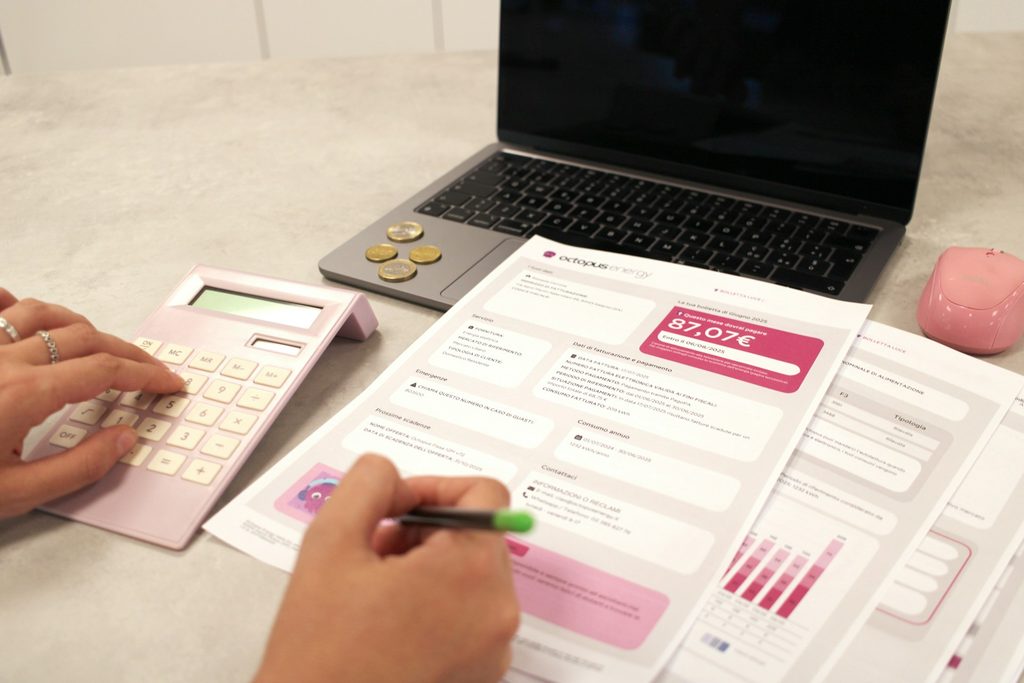
The best way to save for a big purchase is to plan around a clear target, a realistic deadline, and regular contributions you can afford. Personal Budgeting & Saving helps you understand where your money goes, make deliberate spending choices, and work toward a purchase without unnecessary financial pressure.
Start by calculating the full cost, setting a monthly target, and keeping your savings separate from everyday spending. Review your progress regularly, and change your plan when life requires it. You do not need to follow a perfect budget to make progress.
A little preparation can help you make a purchase with greater confidence and fewer financial regrets. Choose a goal, start with an achievable amount, and build from there.
Disclaimer: This article provides general educational information and is not personalized financial advice. Financial products, fees, protections, and tax rules vary by country. Consider consulting a licensed financial professional who understands your circumstances before making significant financial decisions.
