

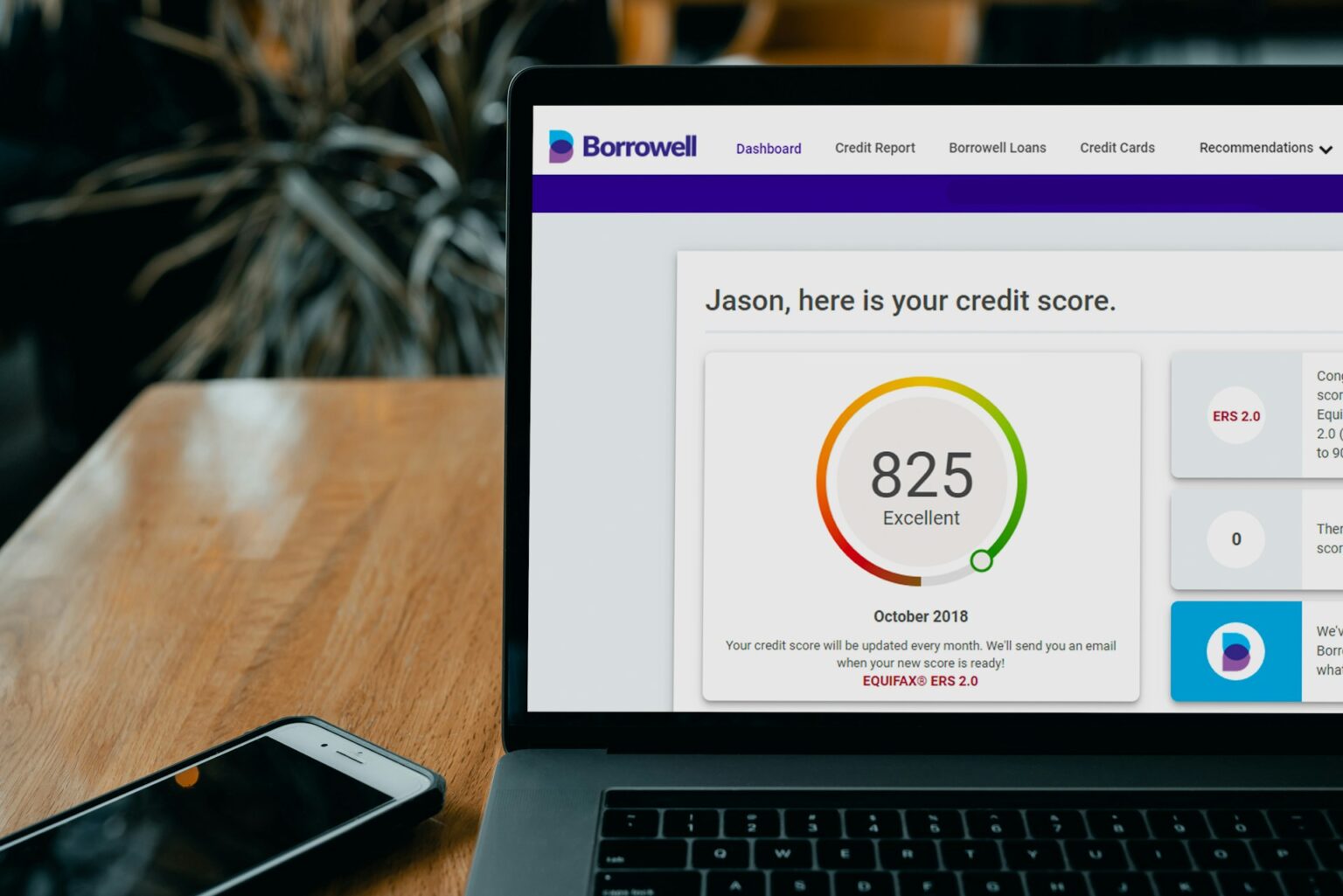
Most people check their credit score and stop there.
The number itself tells you little until you know what moves it.
In the world of Credit & Debt, one of the fastest-moving pieces is your credit utilization ratio, and it is also one of the easiest to change.
You can often change it within a single billing cycle.
This article explains what the ratio is, what number to aim for, and how to lower it without opening new accounts or waiting years.
What Is Credit Utilization?

Credit utilization is the share of your available revolving credit that you are using.
Revolving credit mostly means credit cards and some lines of credit.
Installment loans like a car loan or mortgage work differently.
The math is simple.
Add up the balances on your cards.
Add up the credit limits.
Divide the first number by the second and multiply by 100.
If you owe $1,500 across your cards and your combined limits total $10,000, your utilization is 15%.
Lenders read this number as a hint about how stretched you are.
Someone using 90% of their available credit looks more likely to miss a payment than someone using 10%.
That is a generalization, but scoring models are built on generalizations.
How Much Does It Affect Your Credit Score?
FICO says the amount you owe makes up about 30% of its score.
That category covers more than utilization, but utilization is the largest piece of it.
Only payment history carries more weight in the FICO model.
VantageScore weighs things a little differently, though utilization matters there too.
So if you pay on time every month and your score still feels low, high balances are a likely reason.
What Is a Good Credit Utilization Ratio?
You will see 30% quoted everywhere.
Credit bureaus and lenders repeat it as a ceiling to stay under.
It is a rule of thumb and not an official cutoff written into any scoring formula.
Your score does not suddenly fall off a cliff at 31%.
Here is how I would think about the ranges:
- Under 10% is where people with the strongest scores tend to land. FICO has said that very high scorers often use a small fraction of their limits.
- 10% to 30% is a healthy zone for most households.
- 30% to 50% can start to pull your score down, and the effect grows as you climb.
- Above 50% usually costs you points, and above 80% tends to hurt a lot.
A common mistake is aiming for 0% and never using a card at all.
A card that sits idle may eventually get closed by the issuer.
A small balance that you pay off in full works just fine.
You do not need to carry debt or pay interest to build a good score.
That idea is a myth that costs people real money.
Does Utilization Count Per Card or Overall?
Both scoring models look at your total utilization across all cards, and many also look at each card separately. One maxed-out card can drag your score down even when your overall number looks fine.
This surprises many people, so here is a made-up example. It is only an illustration.
Maria has two cards. Card A has a $3,000 limit and a $2,400 balance. Card B has a $7,000 limit and a $200 balance.
Her total balance is $2,600 against $10,000 in limits, so her overall utilization is 26%. That looks fine on paper. But Card A is at 80%, and that single card could hold her score back.
Maria pays $1,500 toward Card A before her statement closes.
Card A drops to $900, which is 30% of its limit. Her total balance falls to $1,100, so overall utilization is 11%.
She spent the same money she would have paid anyway and got a much better picture on her report.
When Does the Balance Get Reported?
Card issuers typically send your balance to the credit bureaus once a month, often on your statement closing date.
That date is not the same as your payment due date.
This explains something confusing. You can pay your bill in full every month and still show a high utilization ratio.
If you charge $2,800 on a card with a $3,000 limit and pay it off after the statement closes, the bureaus may see a 93% balance even though you owe nothing a few weeks later.
Look at your card statement or app to find the closing date.
Then pay down the balance a few days before it if you want a lower number reported.
Issuers do not all follow the same schedule, so check yours.
How Long Does a High Ratio Stay on Your Report?
Not long.
Most scoring models used by lenders do not remember past utilization the way they remember a late payment. They look at what your balances are now.
Pay down a high balance and your score can recover within one or two reporting cycles.
That makes utilization one of the quickest fixes in the Credit & Debt toolkit.
A missed payment can sit on your report for up to seven years.
A high balance can disappear from your score in about a month.
How to Lower Your Credit Utilization
Some of these cost nothing, and some take a little discipline.
- Pay before the statement closes. This is the cheapest trick available.
- Make more than one payment a month. Small mid-cycle payments keep the reported balance down.
- Ask for a credit limit increase. If your income has gone up and you have a record of on-time payments, a higher limit lowers your ratio at the same spending level. Ask whether the issuer will use a soft pull. A hard inquiry can cost a few points.
- Spread balances across cards. Moving part of one large balance to a card with room can lower the per-card number. Watch for balance transfer fees and interest rates before you do this.
- Keep old cards open. Closing a card removes its limit from your total and can push your ratio up.
I would be careful with one idea you will see often, which is opening a new card just to boost your available credit.
It can work, but a new account also lowers the average age of your accounts and adds a hard inquiry.
If you are planning to apply for a mortgage in the next six months, I would leave your accounts alone.
What About Paying Off Debt Versus Raising Limits?

Paying down the balance is almost always better.
A higher limit gives you breathing room but leaves the debt in place, and the debt is the real problem if you are paying interest on it.
Use a limit increase as a bonus and not a substitute.
If you are carrying balances month after month, the interest charges matter more than any score tweak.
Credit card interest rates are high enough that paying them off usually beats nearly any other use of spare cash.
Sources and References
I did not include URLs because I cannot verify exact links from here.
These are real organizations whose published material covers the claims.
Please check each one directly before publishing.
- FICO (myFICO educational pages): The score factor breakdown, including “amounts owed” at about 30%, and the point that top scorers tend to use low percentages of their limits.
- Experian, Equifax and TransUnion consumer education pages: The general 30% guideline and the idea that issuers usually report balances around the statement date. I am confident these bureaus publish this kind of guidance but cannot point to a specific article.
- Consumer Financial Protection Bureau (CFPB): General explanations of credit scores, revolving credit, and how utilization is calculated.
- VantageScore (company educational material): That its model also treats credit utilization as a major factor, with weights that differ from FICO.
The claim that late payments can stay on a report for up to seven years is standard under the Fair Credit Reporting Act.
The Maria example and its numbers are invented for illustration.
The claim that most scoring models do not keep a long memory of past utilization is a general statement, and a few newer models do look at balance trends over time, so treat that point as typical and not universal.
Where to Start

Pull up your most recent statements today. Write down each card’s balance and limit and work out the percentage for each one. Find the closing dates. Then pick the card with the highest ratio and aim to bring it under 30% before its next closing date.
You do not have to master every corner of Credit & Debt to see progress. Knowing one number and the date it gets reported is enough to start improving your score this month.
This article is for general information only and is not personalized financial advice. Credit scoring models and issuer practices differ and change over time. For guidance on your own situation talk with a licensed financial advisor or a certified credit counselor.
