


Staring at a monthly credit card statement feels like watching a digital monster eat your paycheck alive.
When minimum payments consume half your available cash, watching the actual balance creep downward feels completely impossible.
You send in three hundred dollars, only to see two hundred and sixty of it vanish straight into interest fees, leaving a measly forty dollars actually reducing what you owe.
Living in that cycle traps you in constant financial anxiety.
Every swipe at the grocery store or unexpected car repair adds a fresh layer of dread because your margins are razor thin.
Mastering your credit & debt situation does not require a sudden inheritance or a second job that burns you out by month two.
It demands a deliberate shift away from minimum payments and toward structural strategies that starve the interest charges before they swallow your income whole.
How Minimum Payments Make It Impossible to Ever Get Out of Debt
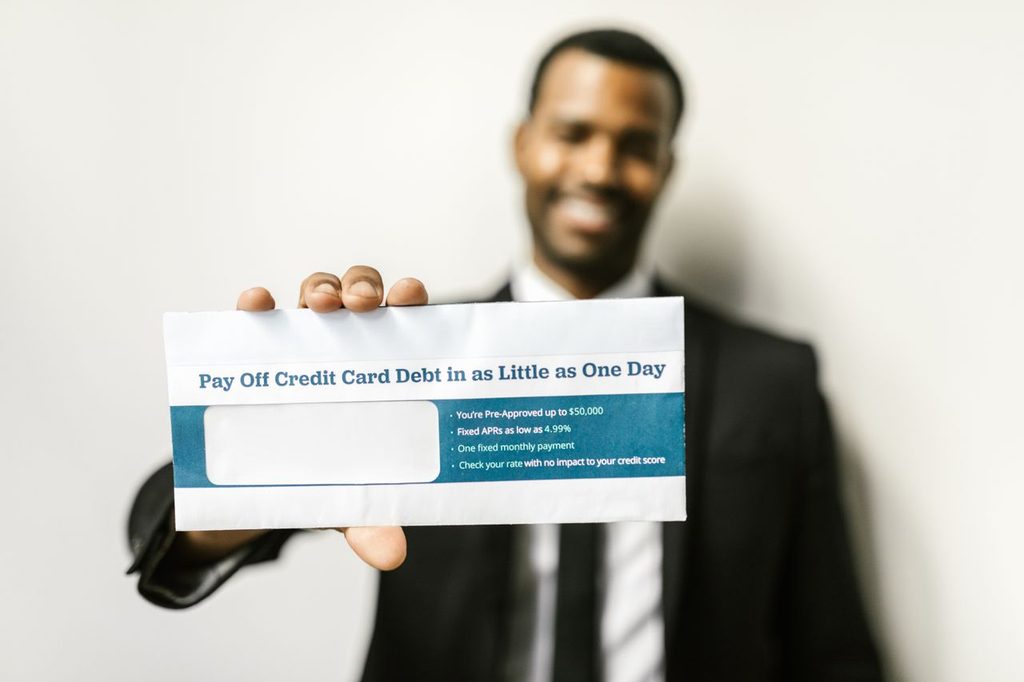
Minimum payments are a great thing for one entity credit card companies because they allow companies to generate maximum revenue from their clients over a longer period.
The idea that you have to pay just twenty-five dollars when you’ve spent four thousand dollars is very comforting in the short term.
However, minimum payments mean that one shopping trip can become twenty, thirty, or forty-year repayment periods with your debt doubling or tripling its initial cost.
Take for example, Marcus, the assistant manager of a retail store, who has spent six thousand dollars using two credit cards due to some problems he had with his car.
For almost a year, he was paying the minimum payments, but was unable to make any progress because he didn’t understand why.
When he finally checked online payoff calculators, he found out that he would need more than fourteen years to clear those debts and pay additional thousands of dollars in fees.
Step 1: Face Your Credit & Debt Numbers and List Every Balance
Before you can fight a war you need to map out the battlefield.
Hiding from your statements or refusing to look at your online banking portal only feeds the stress.
Grab a notepad or open a blank spreadsheet and write down every single credit card you owe money on.
Include the total balance the exact interest rate and the minimum monthly payment required.
Seeing everything in one centralized place strips away the emotional fog.
Some balances might shock you, but clarity brings power.
Once you know exactly how much you owe and what each lender charges you in interest, you can stop guessing and start attacking.
Step 2: Determine the debt reduction method you will be using
With your debts now in the open, you will need to figure out how to go about tackling them.
There are two major debt reduction techniques used today that are psychologically and mathematically driven: the debt avalanche and debt snowball techniques.
The debt avalanche approach is focused solely on the mathematics behind it.
You rank all of your cards based on the highest to the lowest interest rate.
You then pay every extra penny you can afford toward your highest-rate card while making the minimum payments on the rest.
After your costly card is paid off, you add up its monthly payment onto your next highest interest rate and continue with the process. It saves you more money than any other method.
On the other hand, the debt snowball approach is entirely focused on psychological momentum.
You rank all of your balances from the lowest to the highest balance, not interest rate.
When you are able to pay off that small three-hundred-dollar balance in your first month, you receive a huge psychological push because you see the proof of success.
Neither technique is universally better – choose the one that fits you.
If you need quick emotional victories to keep going, then use the snowball method.
If you care about paying the least amount of total interest, use the avalanche method.
Step 3: Negotiate Lower Interest Rates With Your Existing Lenders

Most people assume credit card terms are carved in stone.
They accept high twenty-percent interest rates as an unchangeable fact of life, never realizing that lenders often possess room to negotiate.
Pick up the phone and call your card issuer’s customer retention or credit department.
Calmly explain that you want to remain a loyal customer, but high interest rates make it difficult to make meaningful headway on your principal balance.
Ask them directly if they can lower your Annual Percentage Rate.
While lenders will not always say yes, many will offer a temporary hardship rate or a permanent reduction if your payment history has been relatively stable.
Securing even a five-percent drop in your interest rate frees up dozens of dollars every month, redirecting money away from the bank and straight into your principal balance.
Step 4: Stop Adding New Charges to the Cards You Are Clearing
You cannot bail out a sinking boat while drilling new holes in the hull.
Trying to pay down credit card balances while simultaneously swiping those same cards for everyday purchases creates a frustrating treadmill effect.
Freeze your active card usage completely while you execute your payoff plan.
Switch your daily spending such as groceries, gas, and utilities over to a debit card or cash envelope system.
If cutting off card access feels terrifying because your checking account buffer is too thin, focus on building a tiny one-thousand-dollar starter buffer first.
Severing the reliance on plastic for everyday purchases forces your lifestyle to match your actual cash flow rather than relying on borrowed money.
Step 5: Automate Your Debt Payments to Eliminate Friction
Relying on motivation to make extra debt payments each month is a losing battle.
Motivation fluctuates based on how tired you are, how stressful your work week felt, and what unexpected bills popped up.
Log into your banking app and set up automated transfers that match your payoff strategy.
If you decide to throw an extra hundred dollars at your target card every payday, schedule that transfer for the exact morning after your paycheck hits your account.
Removing human decision-making from the process ensures that the money disappears toward your debt before you have a chance to accidentally spend it on takeout or online shopping.
Sources & References
- Consumer Financial Protection Bureau (CFPB): Research and guidance on debt repayment strategies, interest calculations, and credit card management.
- Federal Reserve Board: Consumer credit reports and statistical data regarding revolving debt trends and household financial burdens.
Take Control of Your Financial Future

Destroying high interest debts requires time and determination.
There is not one quick fix that will erase the years of buildup that occurred. However, each dollar that you use to pay off your debt is moving you towards financial freedom.
After all, when it comes to credit/debt, the point is to take back your well-earned money from the banks and have it in your own possession.
With all those amounts zeroed out and all your money flow under full control, your stress goes away.
Instead of working simply to pay off the interest expenses, you will be living a life where your money serves you.
Start with that initial move right now: look at your statements, pick your approach and make your very first additional payment.
Disclaimer: The information provided here is intended for general informational purposes only.
It does not constitute professional financial advice.
All people have individual financial situations, so it would be wise to consult a professional financial advisor before any significant financial actions.
